Blog

Your blog category

Blog

Call Recording Best Practices to Improve Conversion Rates

Call Recording Best Practices to Improve Conversion Rates In today’s competitive business environment, customer conversations are one of the most valuable assets a company has. Every sales or support call provides insights into customer behavior, objections, and buying intent. When used correctly, call recording becomes a powerful tool to improve performance and increase conversion rates. Here’s how businesses can implement call recording effectively to drive measurable growth. 1. Ensure Compliance and Transparency Before recording calls, it’s essential to comply with local regulations and inform customers that the call may be recorded. Transparency builds trust and protects your business legally. Always: Announce call recording at the beginning of the call Follow regional consent laws Securely store recordings Compliance isn’t just about avoiding penalties — it builds customer confidence. 2. Define Clear Objectives Recording calls without a purpose creates data overload. Instead, define what you want to improve: Sales conversions Lead qualification Customer satisfaction Objection handling Upselling and cross-selling Clear goals help teams analyze conversations more effectively. 3. Use Recordings for Sales Training High-performing sales calls are valuable learning tools. Identify: Strong opening techniques Effective objection handling Closing strategies Tone and pacing Create a library of successful calls and use them for onboarding and continuous training. 4. Analyze Objection Patterns When prospects hesitate, they often raise similar concerns — price, trust, timing, or competitors. Reviewing recorded calls helps identify: Common objections Repeated pain points Frequently asked questions With this data, teams can refine scripts and prepare stronger responses that directly address customer concerns. 5. Improve Call Scripts with Real Insights Scripts should evolve based on real customer conversations. By reviewing recordings: Remove ineffective phrases Simplify complex explanations Add value-driven messaging Continuous refinement leads to better engagement and higher conversions. 6. Monitor Call Quality and Tone Conversion isn’t only about what is said — it’s how it’s said. Call recordings allow managers to evaluate: Confidence and clarity Active listening skills Empathy and personalization Call flow and structure Improved communication directly impacts trust and buying decisions. 7. Track Performance Metrics Call recordings become more powerful when combined with performance data. Monitor: Call duration Talk-to-listen ratio Follow-up time Closing rate Data-backed insights help optimize both individual and team performance. Conclusion Call recording is more than just documentation – it’s a strategic tool for growth. When used correctly, it enhances training, improves communication quality, refines sales strategies, and ultimately increases conversion rates. Businesses that actively analyze customer conversations gain a competitive advantage by understanding what truly drives buying decisions.

Blog

VoIP Tips to Reduce Wait Times and Improve Customer Satisfaction

VoIP Tips to Reduce Wait Times and Improve Customer Satisfaction In today’s fast-paced digital world, customers expect quick responses and seamless communication. Long wait times and poor call handling can damage brand trust, reduce customer loyalty, and lead to lost business opportunities. Voice over Internet Protocol (VoIP) systems offer powerful tools that help businesses streamline communication, reduce customer wait times, and significantly improve customer satisfaction. This guide shares practical VoIP strategies to enhance call efficiency, optimize workflows, and deliver better customer experiences. Why Wait Times Matter in Customer Experience Customer wait time directly impacts: Customer satisfaction Brand perception Trust and loyalty Conversion rates Customer retention Online reviews and reputation Even a few extra minutes of waiting can result in call abandonment and negative brand experiences. VoIP Tips to Reduce Wait Times 1. Use Intelligent Call Routing Route calls to the right department or agent based on: Caller input Business hours Agent availability Skill-based routing Priority levels This eliminates unnecessary transfers and reduces handling time. 2. Implement Interactive Voice Response (IVR) IVR systems allow customers to self-direct their calls, reducing queue congestion and improving call flow efficiency. Benefits include: Faster call resolution Reduced agent workload Better call categorization Improved customer journey mapping 3. Enable Call Queuing with Real-Time Updates Instead of silence, provide: Estimated wait times Queue position announcements Callback options This keeps customers informed and reduces frustration. 4. Use Call-Back Features Allow customers to request a callback instead of waiting on hold. This: Reduces queue pressure Improves customer satisfaction Prevents call abandonment Improves agent efficiency 5. Monitor Call Analytics and Performance Data VoIP analytics help track: Average wait time Call abandonment rate First-call resolution Peak call hours Agent performance Call volume trends Data-driven decisions improve staffing and scheduling accuracy. 6. Optimize Agent Availability Use insights from call data to: Schedule staff during peak hours Balance workloads Reduce agent burnout Improve response times Conclusion Reducing wait times is not just about speed—it’s about smart communication design. With the right VoIP strategies, businesses can create efficient, responsive, and customer-centric communication systems that enhance satisfaction and build long-term loyalty. Fast responses build trust. Smart systems build loyalty.

Blog

Best Call Center Tools Every Growing Business Should Use

Best Call Center Tools Every Growing Business Should Use As businesses grow, managing customer calls efficiently becomes critical. Missed calls, long wait times, and inconsistent responses can directly impact customer satisfaction and revenue. The right call center tools help businesses streamline communication, improve agent productivity, and deliver a better customer experience. Westvox provides modern call center solutions designed to support growing businesses with scalable, reliable, and easy-to-use tools. Here are the essential call center tools every growing business should consider. 1. Cloud-Based Call Management System A cloud-based call management system allows businesses to handle calls from anywhere without relying on physical infrastructure. This flexibility supports remote teams, multiple locations, and business expansion. Key benefits include easy setup, scalability, and reduced operational costs. 2. Interactive Voice Response (IVR) System An IVR system automatically guides callers to the right department or service. This reduces wait times and ensures customers reach the correct agent quickly. For growing businesses, IVR improves call handling efficiency and creates a more professional customer experience. 3. Call Recording and Monitoring Call recording enables businesses to review conversations for quality assurance, compliance, and training purposes. Managers can identify performance gaps and help agents improve communication skills. This tool is especially valuable for maintaining consistent service standards as teams expand. 4. Real-Time Call Analytics and Reports Call analytics provide insights into call volume, response time, call duration, and agent performance. Data-driven decision-making helps businesses optimize staffing, improve workflows, and enhance customer satisfaction. Westvox offers detailed reporting to help businesses track and improve call center performance. 5. Automatic Call Distribution (ACD) ACD intelligently routes incoming calls to the most suitable available agent. This reduces wait times and balances agent workload. For growing teams, ACD ensures efficient call handling even during peak hours. 6. CRM Integration Integrating call center tools with CRM systems allows agents to access customer information instantly. This leads to faster issue resolution and more personalized interactions. CRM integration is essential for businesses focused on customer retention and relationship management. 7. Call Queuing and Callback Options Call queuing manages high call volumes without dropping calls. Callback options allow customers to receive a return call instead of waiting on hold. These features significantly improve customer satisfaction during busy periods. Conclusion The right call center tools are essential for delivering consistent, high-quality customer service as your business grows. With Westvox’s modern communication solutions, businesses can stay responsive, efficient, and customer-focused at every stage of growth.

Blog

How Cloud Communication Improves Business Productivity

How Cloud Communication Improves Business Productivity In today’s fast-moving business environment, communication speed and reliability directly impact productivity. Traditional phone systems and disconnected communication tools often slow teams down, create information gaps, and limit flexibility. Cloud communication solutions eliminate these challenges by bringing voice, messaging, and collaboration tools onto a single, scalable platform. At WestVox, cloud communication is designed to help businesses work smarter, respond faster, and collaborate better—no matter where teams are located. What Is Cloud Communication? Cloud communication refers to business communication systems hosted in the cloud rather than on-site hardware. These solutions typically include voice calling, video meetings, messaging, voicemail, and call management tools accessible via the internet. Unlike traditional systems, cloud communication allows employees to connect from any device, any location, with minimal setup and maintenance. Faster and More Efficient Collaboration Cloud communication removes delays caused by outdated systems. Employees can connect instantly through calls, messages, or video without switching platforms. Key collaboration benefits include: One-click communication across teams Quick decision-making with real-time discussions Reduced email overload Faster collaboration leads to quicker task completion and improved team efficiency. Supports Remote and Hybrid Work Modern businesses are no longer confined to a single office. Cloud communication enables seamless work across locations. Employees can: Make and receive business calls from mobile or desktop Access voicemail and call logs remotely Stay connected during travel or remote work This flexibility keeps productivity high regardless of where teams work from. Reduces Downtime and IT Dependency Traditional communication systems rely heavily on physical infrastructure, making them vulnerable to downtime. Cloud solutions are hosted on secure, redundant servers with automatic updates and backups. Benefits include: Higher system uptime Faster issue resolution Reduced reliance on in-house IT support Less downtime means fewer disruptions and consistent productivity. Improves Customer Response and Service Quality Cloud communication helps businesses respond to customers faster and more professionally. Features such as: Intelligent call routing Auto-attendants Call analytics and reporting ensure that calls reach the right person quickly, improving customer satisfaction and team performance. Scales Easily as Your Business Grows As teams expand, cloud communication systems scale effortlessly. Adding new users, departments, or locations takes minutes—not weeks. This scalability ensures: No productivity loss during growth Consistent communication standards Cost-effective expansion Businesses stay agile without communication bottlenecks. Provides Actionable Insights Through Analytics Cloud communication platforms offer detailed insights into call volumes, response times, and user activity. These insights help managers: Identify communication gaps Optimize workflows Improve team performance Data-driven decisions lead to smarter productivity improvements. Conclusion Cloud communication is no longer a convenience—it’s a productivity necessity. By enabling faster collaboration, supporting remote work, reducing downtime, and improving customer interactions, cloud solutions empower businesses to operate efficiently and competitively. With WestVox cloud communication solutions, businesses can simplify communication, boost productivity, and stay connected in a digital-first world.

Blog

Cloud PBX vs Traditional Phone Systems – Which Is Better for Your Business?

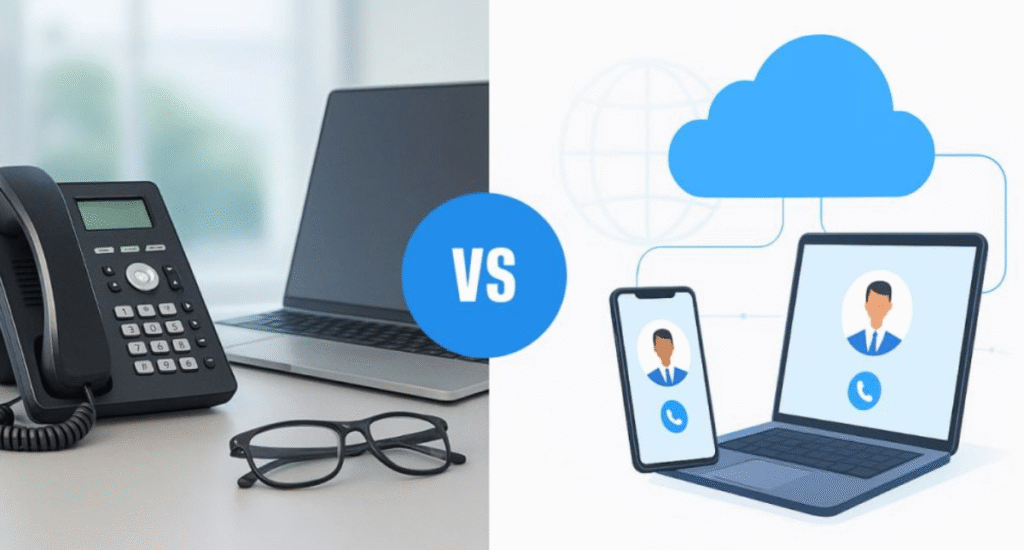
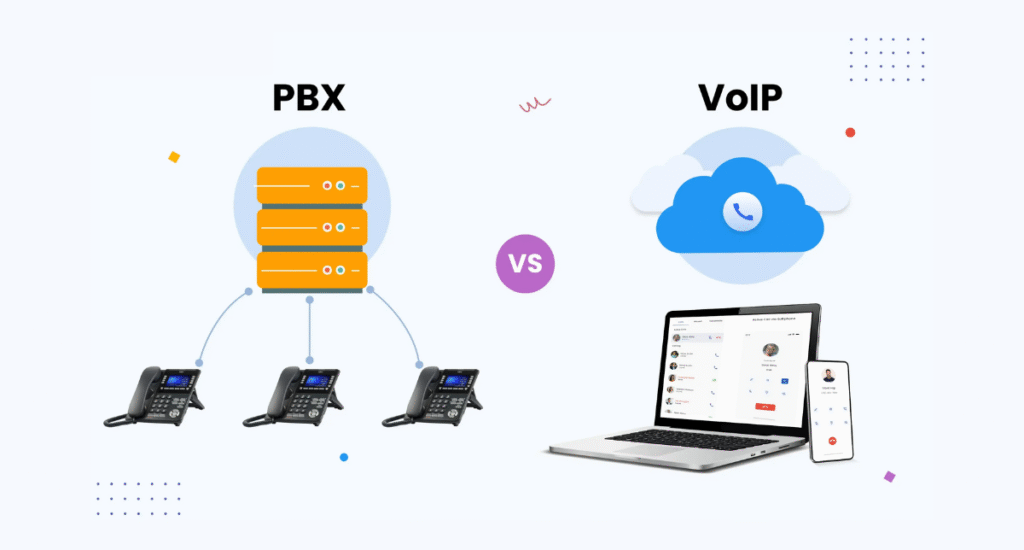
Cloud PBX vs Traditional Phone Systems – Which Is Better for Your Business? Choosing the right phone system is one of the most important technology decisions for any business. Whether you’re a startup, a growing company, or an established enterprise, how you handle communication affects productivity, customer experience, and costs. Today, Cloud PBX systems are rapidly replacing traditional phone systems — but which is truly better for your business? In this comprehensive comparison, Westvox breaks down the real differences, benefits, and deciding factors between Cloud PBX and traditional phone systems so you can choose with confidence. What Is a Traditional Phone System? Traditional phone systems – also called on-premise PBX – use physical hardware installed at your business location. These systems rely on dedicated phone lines and on-site equipment to manage internal and external calls. While they were once the standard, they come with higher upfront costs and require ongoing maintenance and specialist support. What Is a Cloud PBX System? A Cloud PBX (or hosted PBX) is a virtual phone system hosted on remote servers and accessed over the internet. Instead of needing dedicated hardware in your office, your provider manages everything – from call routing to feature updates — in the cloud. This modern approach leverages VoIP (Voice over Internet Protocol) technology to deliver flexible, feature-rich communications. 1. Cost: Cloud PBX Wins for Most Businesses One of the biggest differences between cloud and traditional systems is cost structure. Traditional Systems: Significant upfront investment in hardware and wiring Ongoing maintenance and technician fees Space required for on-site equipment Cloud PBX: Predictable monthly subscription fees No expensive hardware to buy Maintenance and updates included in the plan Cloud PBX can reduce total cost of ownership and save small to mid-sized businesses up to 60% compared to traditional systems — especially in the first years of deployment. Takeaway:👉 If you prefer low initial costs and predictable budgeting, Cloud PBX is usually more cost-effective. 2. Scalability and Flexibility Traditional phone systems are rigid — adding new users or lines often means purchasing extra hardware, rewiring offices, and incurring installation costs. By contrast, Cloud PBX is built for scalability: Add or remove users quickly via an online dashboard Support seasonal staffing changes without new equipment Create virtual lines in multiple locations without physical infrastructure This makes cloud systems ideal for growing teams or businesses with remote or hybrid workforces. Takeaway:👉 Cloud PBX grows with your business without delays or breakdowns. 3. Features and Advanced Capabilities Another major advantage of Cloud PBX is the range of built-in features included without extra hardware: ✔ Auto attendants and call routing✔ Voicemail-to-email transcription✔ Mobile and desktop apps✔ Call analytics and reporting✔ Video conferencing options Traditional systems generally offer basic calling features unless you purchase additional modules, which adds costs and complexity. Takeaway:👉 If you want modern business communications features without expensive add-ons, Cloud PBX is the smart choice. 4. Reliability and Connectivity Traditional PBX systems are known for stable call quality because they use dedicated lines and local infrastructure. However, they are vulnerable to local outages — a power failure or hardware issue can mean downtime until onsite repairs are completed. Cloud PBX systems, on the other hand: Store data in secure, redundant data centers Automatically reroute calls in case of outages Support global access via internet-connected devices The main factor in cloud reliability is internet quality — a strong connection ensures smooth voice quality and uptime. Takeaway:👉 Traditional systems may offer steady on-site stability, but cloud systems provide broader redundancy and business continuity. 5. Remote Work and Mobility In today’s hybrid work environment, ability to work from anywhere is essential. Cloud PBX shines in this area: 📱 Employees can make and receive calls on desktops, laptops, and mobile devices🌍 Teams stay connected across offices, locations, and time zones☁ Remote work is seamless without complex VPN or hardware setups Traditional PBX systems tie you to office hardware unless you invest in additional technology, making remote work more challenging. Takeaway:👉 Cloud PBX enables seamless remote and hybrid collaboration. Which System Is Best for You? Here’s a quick guide:Choose Cloud PBX if:✔ You want lower upfront costs✔ Your team works remotely or across locations✔ You value advanced communication features✔ You want scalability and ease of setup Choose Traditional Phone Systems if:✔ Your internet connection is unreliable✔ You require full internal control of hardware✔ You have a stable team and predictable needs For most modern businesses, Cloud PBX is the better choice due to its flexibility, cost savings, and future-ready features. Conclusion In the battle of Cloud PBX vs Traditional Phone Systems, cloud-hosted solutions stand out for their affordability, scalability, mobility, and feature richness. While traditional systems still have their place, especially in environments with limited internet or specific control requirements, Cloud PBX aligns with today’s dynamic business communication needs.

Blog

Why Every Business Should Invest in a Modern Communication Systemsp

Why Every Business Should Invest in a Modern Communication Systemsp In today’s fast-moving business environment, effective communication is no longer optional-it is essential. As companies grow and adopt digital workflows, outdated communication tools can slow operations and impact customer experience. Investing in a modern communication system helps businesses stay connected, productive, and competitive. At Westvox, we empower organizations with advanced communication solutions designed for the modern workplace. What Is a Modern Communication System? A modern communication system integrates voice, video, messaging, and collaboration tools into a single, unified platform. Unlike traditional phone systems, these solutions support cloud-based access, mobility, scalability, and real-time collaboration across teams and locations. Why Traditional Systems Are No Longer Enough Legacy communication systems often come with limitations such as high maintenance costs, lack of flexibility, and poor scalability. They are not designed to support remote work, global teams, or modern customer expectations. Modern systems eliminate these challenges by offering smarter, more efficient communication channels. Key Benefits of Modern Communication Systems 1. Improved Team Collaboration Modern systems enable seamless communication through voice calls, video conferencing, instant messaging, and file sharing. This helps teams collaborate faster and more effectively, regardless of location. 2. Enhanced Customer Experience With advanced call routing, CRM integration, and faster response times, businesses can provide consistent and professional customer interactions. 3. Scalability and Flexibility Modern communication platforms can easily scale as businesses grow. New users, features, or locations can be added without complex infrastructure changes. 4. Cost Efficiency Cloud-based communication systems reduce hardware costs, maintenance expenses, and long-distance calling charges, making them a cost-effective solution. 5. Reliability and Business Continuity Advanced systems offer high uptime, disaster recovery, and secure cloud storage, ensuring uninterrupted communication even during unexpected disruptions. The Role of Westvox in Modern Business Communication Westvox provides cutting-edge communication solutions tailored to business needs. From VoIP systems and unified communications to cloud-based calling solutions, we help businesses modernize their communication infrastructure for better performance and reliability. Future-Ready Communication As remote work and digital collaboration continue to grow, modern communication systems will become the backbone of business operations. Investing now ensures long-term efficiency, improved connectivity, and future-ready communication. Final Thoughts A modern communication system is a strategic investment that drives productivity, enhances customer satisfaction, and supports business growth. With Westvox, businesses can upgrade their communication capabilities and stay ahead in an increasingly connected world.

Blog

The Ultimate Guide to Choosing the Best VoIP Provider for Your Business

The Ultimate Guide to Choosing the Best VoIP Provider for Your Business Choosing the right communication system is critical for modern businesses. With remote work, global clients, and the need for real-time collaboration, traditional phone systems no longer meet business demands. That’s where VoIP (Voice over Internet Protocol) comes in.WestVox helps businesses simplify communication by offering reliable, scalable, and cost-effective VoIP solutions. This ultimate guide will help you understand how to choose the best VoIP provider for your business and why WestVox stands out. What Is VoIP and Why It Matters for Businesses VoIP allows businesses to make voice calls using the internet instead of traditional phone lines. This modern approach offers: Lower calling costs Advanced call management features Remote and mobile accessibility Easy scalability as your business grows For businesses aiming to stay competitive, VoIP is no longer optional-it’s essential. Key Factors to Consider When Choosing a VoIP Provider 1. Call Quality and ReliabilityCrystal-clear audio and minimal downtime are crucial. A good VoIP provider ensures high uptime, strong network infrastructure, and consistent call quality. 2. Scalability and FlexibilityYour VoIP system should grow with your business. Whether you’re adding new users, locations, or features, scalability is a must. 3. Security and ComplianceBusiness calls often contain sensitive information. Look for providers that offer encryption, secure data centers, and compliance with industry standards. 4. Features and Integrations Top VoIP providers offer features such as: Call forwarding and routing Auto-attendant and IVR Voicemail-to-email CRM and business tool integrations These features improve productivity and customer experience. 5. Customer SupportReliable technical support ensures issues are resolved quickly. A provider with responsive customer service can save your business valuable time. Why WestVox Is the Right VoIP Partner for Your Business WestVox delivers business-grade VoIP solutions designed to meet the communication needs of growing companies. With a focus on reliability, security, and user-friendly features, WestVox helps businesses communicate smarter. Key benefits of choosing WestVox include: High-quality voice clarity Secure and scalable VoIP infrastructure Advanced features for efficient call handling Seamless setup and easy management Dedicated support for uninterrupted operations How the Right VoIP Provider Improves Business Performance A reliable VoIP solution enables businesses to: Improve team collaboration Enhance customer service response times Reduce communication costs Support remote and hybrid work environments Maintain professional communication across all channels WestVox ensures your business stays connected, productive, and future-ready. Final Thoughts Selecting the best VoIP provider is a strategic decision that impacts productivity, customer satisfaction, and business growth. With a clear understanding of your needs and the right partner, VoIP can transform how your business communicates.WestVox stands as a trusted choice for businesses looking for dependable, secure, and scalable VoIP solutions.

A modern business runs on seamless communication. Whether you manage a growing startup or operate a large enterprise, reliable calling, instant collaboration, and uninterrupted connectivity have become non negotiable. Traditional phone systems are fading out. Cloud powered telephony and unified communication tools are taking the lead. This shift is not just about convenience. It is about improved performance, cost efficiency, and business continuity. In this guide, you will explore the essential features that define next generation communication systems. Cloud PBX, SIP trunking, unified communication tools, on site PBX, call management, and support solutions that protect your business from downtime. Together, these services help companies communicate smarter and deliver better customer experiences.
Blog

Low-Cost VoIP and PBX Phone Systems for Texas Businesses

How VoIP Handles Your Calls. Benefits Every Small Business Should Know A modern business runs on seamless communication. Whether you manage a growing startup or operate a large enterprise, reliable calling, instant collaboration, and uninterrupted connectivity have become non negotiable. Traditional phone systems are fading out. Cloud powered telephony and unified communication tools are taking the lead. This shift is not just about convenience. It is about improved performance, cost efficiency, and business continuity. In this guide, you will explore the essential features that define next generation communication systems. Cloud PBX, SIP trunking, unified communication tools, on site PBX, call management, and support solutions that protect your business from downtime. Together, these services help companies communicate smarter and deliver better customer experiences. Cloud PBX Features. A Smarter Way to Manage Calls Cloud PBX replaces bulky hardware with an internet based phone system. It gives companies the flexibility to make and receive calls from any device and any location. This is a game changer for distributed teams and service based organizations. Key benefits include: Scalability. Add or remove users instantly without technical hassleCost efficiency. No installation or maintenance costsFlexibility. Employees can use desk phones, mobiles, or softphonesSmart features. Call routing, IVR, call recording, voicemail to email, and analytics Cloud PBX allows businesses to stay connected even during power failures or hardware issues. Calls can easily be rerouted to backup numbers or mobile devices. This ensures your customers never face communication delays. Unified Communications Tools. Everything in One Place Unified Communications brings all communication channels together. Voice, video meetings, instant messaging, team collaboration tools, and file sharing work inside a single platform. The result is faster decision making and improved coordination. These tools allow teams to: Chat and call instantlyHost virtual meetings with HD audio and videoShare screens for demos or support sessionsCollaborate on documents in real time Businesses that adopt unified communication systems reduce communication gaps and boost productivity. Instead of switching between apps, employees stay connected through one integrated solution. SIP Trunking Services. Upgrade Your Calling Infrastructure SIP trunking replaces physical phone lines with digital voice channels. It is reliable. It supports high quality calling. It easily connects with existing PBX systems. This makes it ideal for companies that want modern features without replacing their current hardware. Benefits include: Lower calling costsHigh call claritySimple integration with PBX systemsSupport for remote or multi location setupsInstant scalability for call volumes SIP trunks are also essential for businesses handling large customer call volumes. They support multiple concurrent calls without congestion. This ensures smooth customer service operations even during peak times. On Site PBX Solutions. Control and Customization at Your Office While cloud PBX is popular, some companies prefer on site PBX for direct control over their phone infrastructure. It is ideal for industries with strict security needs or limited internet availability. On site PBX offers: Full customizationEnhanced securityDirect hardware controlIntegration with internal systems For organizations that require local failover, dedicated telecom rooms, or custom routing logic, on site PBX remains a reliable and powerful choice. Advanced Call Management. Smarter Routing for Better Experiences Call management tools ensure every incoming call is handled efficiently. These features help businesses improve customer satisfaction, reduce waiting time, and provide personalized support. Core features include: Interactive Voice Response (IVR)Automatic Call Distribution (ACD)Call queuing and priority routingCall recording for quality assuranceAgent monitoring and live analytics With advanced call management, companies can route calls to the right department or agent, analyze call patterns, and optimize customer support strategies. Business Continuity and Support. Stay Connected During Any Crisis Downtime can damage brand trust. Modern communication systems offer continuity solutions that help businesses stay operational even during unexpected outages. Features include: Failover routingBackup numbers or mobile routing optionsDisaster recovery supportReal time monitoring and technical assistance Round the clock support ensures issues are resolved quickly. This protects your business from communication disruptions and maintains customer confidence. Included with Every Plan. Value Packed Communication Services Most service providers include essential features by default. This makes it easier for businesses to access enterprise grade communication without spending extra. You can expect: HD voice callingBasic call routing toolsVoicemail featuresUser management dashboardsSecurity and encryption standards These included tools ensure every business, regardless of size, gets a reliable and secure communication foundation. Conclusion. Build a Future Ready Communication System Modern business communication is evolving quickly. Cloud PBX, SIP trunking, and unified communication tools offer flexibility, mobility, and reliability that traditional systems cannot match. With advanced call routing and strong continuity support, businesses can deliver better customer experiences and improve internal efficiency. Whether you choose cloud based solutions, on site PBX, or a hybrid model, the goal remains the same. Keep your business connected, productive, and ready for growth. If you want, I can also create a social media caption, CTA content, or a summarized version for website sections. Facebook Instagram Linkedin

How VoIP Handles Your Calls. Benefits Every Small Business Should Know
Blog

How VoIP Handles Your Calls. Benefits Every Small Business Should Know

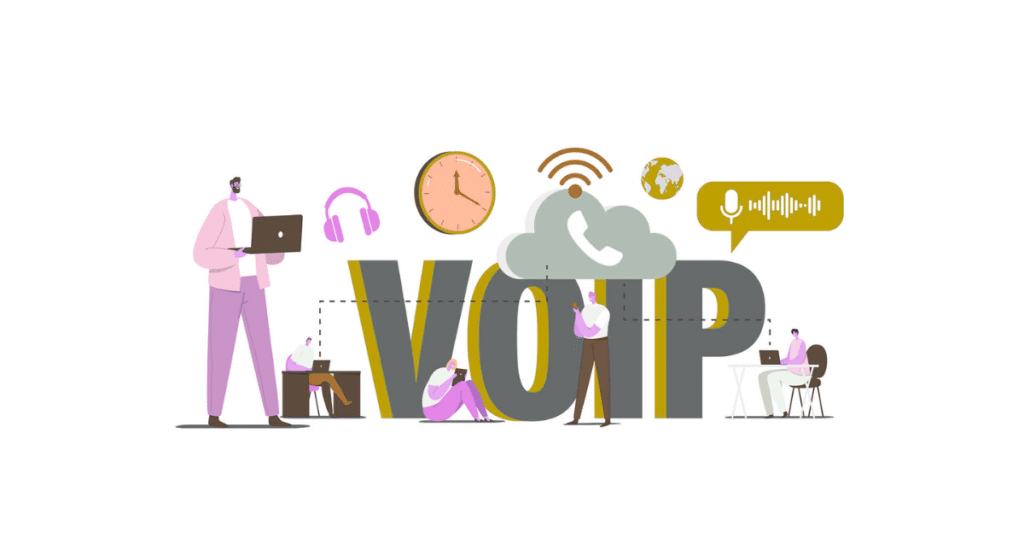
How VoIP Handles Your Calls. Benefits Every Small Business Should Know In today’s fast-moving business world, communication needs to be quick, stable, and cost-effective. Traditional phone systems often fail to deliver that flexibility. This is where VoIP steps in, offering smarter technology and advanced calling features that help small businesses work faster and serve customers better. With dependable VoIP services from a provider like Westvox, even small teams can experience enterprise-level communication without heavy costs or complicated setups. This guide explains how VoIP actually handles your calls, what happens behind the scenes, and why this system is becoming the preferred choice for small businesses across every industry. What Is VoIP and How Does It Work? VoIP stands for Voice over Internet Protocol. Instead of using phone lines, VoIP uses your internet connection to route voice calls. When you speak into a VoIP phone or softphone app, your voice is converted into small digital data packets, sent across the internet, and then reconverted back into audio on the other end.This process happens within milliseconds, giving you clear and uninterrupted conversations. Here’s a simple breakdown of the journey. Your voice is captured by the VoIP phone or app. The sound is instantly converted into digital packets. These packets travel securely over your internet network. The destination phone receives and converts them back into sound. You and the other person hear each other in real time. This routing method removes the need for copper lines and bulky hardware. It gives you more control over your communication system and helps reduce costs. How VoIP Routes Your Calls Seamlessly VoIP uses several intelligent routing methods that make communication smooth and reliable. These routing systems decide where your call goes and how it reaches the receiver. 1. Direct IP-to-IP Routing When both parties use VoIP, the packets travel directly between the two IP addresses.This allows clearer audio and faster connection times. 2. Gateway-Based Routing If you’re calling a landline or mobile number, VoIP uses gateways to bridge your call. It converts digital packets into traditional signals.This ensures you can call anyone, anywhere. 3. Multi-Path Routing To avoid call drops, VoIP sends your packets across the best available internet path.If one route is slow, it automatically switches to another. 4. Priority-Based Routing Many small businesses use QoS (Quality of Service) tools.This ensures voice packets get priority over other internet traffic.This system helps maintain crystal-clear audio even during peak usage. With Westvox’s optimized VoIP solutions, this routing becomes even more efficient. You get consistent call quality, the right features for your team, and dependable uptime. Why VoIP Is Perfect for Small Businesses Small businesses need tools that save time, improve service, and reduce expenses. VoIP delivers all of that and more. Here are the most important benefits every small business should know. 1. Lower Monthly Costs Traditional phone systems are expensive. VoIP removes the need for hardware, long-distance charges, and installation fees.You get unlimited calling options at affordable rates.This helps small businesses keep communication costs predictable and manageable. 2. Better Call Quality Modern VoIP systems offer HD-quality audio and advanced noise reduction.You get clear conversations with customers and team members, which improves trust and professionalism. 3. Work From Anywhere Small businesses today need flexibility. With VoIP, your team can make and receive calls from laptops, mobile phones, or office phones.Whether your employees are remote, traveling, or working hybrid schedules, communication stays consistent. 4. Auto Attendant and Smart Routing A professional first impression matters. VoIP offers automated call menus that guide your customers to the right department fast.This reduces wait times and helps your small business appear well organized and efficient. 5. Call Analytics and Reporting Knowing how your team communicates helps you improve service quality.VoIP gives you real-time reports like call duration, missed calls, call flow, and customer wait times.Small businesses use this data to train teams, boost performance, and deliver a smoother service experience. 6. Scalability Without Costly Upgrades As your business grows, your phone system should grow with you. VoIP lets you add lines, users, and features instantly.No wiring. No technicians. No complexity. This makes Westvox a smart choice for small businesses planning to expand. 7. Safety and Reliability Modern VoIP systems come with encrypted pathways and secure servers.You get protection from threats like eavesdropping or call hijacking.Backup routing ensures your calls stay active even during local outages. 8. More Features at Zero Extra Cost Small businesses rely on flexibility and quick decision-making. VoIP provides features that improve teamwork and make communication easier. These include. Call recording Voicemail-to-email Multi-device ringing Video calls Instant number porting CRM integrations These features empower small teams to operate with the efficiency of large enterprises. How Westvox Enhances the VoIP Experience While VoIP technology is powerful, its true performance depends on the provider. Westvox ensures your small business gets the best results through dependable service, fast setup, and premium support. Here’s why small businesses trust Westvox. 1. Easy Setup and Zero Downtime Transition Westvox helps you shift from traditional phones to VoIP without interrupting your daily operations. 2. Tailored Solutions for Every Business Size Your calling needs are unique. Westvox offers flexible packages that fit your team size, workflow, and industry needs. 3. Superior Call Quality Optimized routing and reliable servers deliver uninterrupted HD-quality audio. 4. Powerful Business Features at No Extra Cost You get everything needed for better customer communication and strong team productivity. 5. Friendly Support Team Whenever your business needs help, Westvox is there with quick solutions and guidance. Final Thoughts VoIP is more than just a modern communication system. It is a growth tool for small businesses. From smoother routing to smart call management and lower costs, VoIP brings clarity and efficiency to every conversation. Partnering with a trusted provider like Westvox ensures your communication stays strong, flexible, and future-ready. Whether you are running a startup, a local service business, or a growing team, VoIP gives you the power to handle calls professionally and confidently. If you want to upgrade your communication system and improve your business workflow,


Business VoIP Solutions: The Future of Smart Communication
Blog

Business VoIP Solutions: The Future of Smart Communication

Transform the Way You Work with WestVox: Smart Communication Solutions for Every Business Business VoIP solutions are shaping the future of business communication. In today’s fast-paced digital landscape, companies need a reliable and affordable way to stay connected with clients and teams across locations. That is where WestVox steps in with its advanced business VoIP solutions that combine innovation, cost efficiency, and ease of use. Whether your business operates locally or globally, VoIP ensures that every conversation remains seamless, secure, and crystal clear. It is not just about making calls over the internet; it is about building a smarter communication system that scales with your business and keeps you connected anytime, anywhere. What Is a Business VoIP Solution? A Business VoIP (Voice over Internet Protocol) solution is a communication technology that enables voice calls through the internet instead of traditional phone lines. In simple terms, it converts voice signals into digital data, allowing users to communicate over broadband connections. This technology eliminates the need for physical phone networks and provides advanced call features that traditional systems cannot match. Businesses of all sizes are now switching to VoIP for its flexibility and scalability. It allows employees to make or receive calls from any device  desktop, laptop, or mobile as long as there is an internet connection. With features like call forwarding, voicemail-to-email, and multi-user conference calling, VoIP ensures smoother collaboration and better customer service. It also integrates easily with CRM systems and business apps, helping organizations maintain efficiency across departments. Benefits of Using Business VoIP Solutions VoIP technology offers a long list of advantages that make it a preferred choice for businesses. Here are some of the most impactful benefits: Lower communication costsTraditional landlines can be expensive, especially when making international calls. Business VoIP solutions can help you save up to 60% on your monthly phone bills by routing calls through the internet instead of costly phone networks. Remote work friendlyWith hybrid and remote work becoming the new normal, VoIP ensures teams stay connected no matter where they are. Employees can join calls, host meetings, and communicate with clients directly from their laptops or smartphones. Easy setupUnlike traditional phone systems that require heavy wiring and maintenance, VoIP can be installed quickly. It runs on cloud infrastructure, meaning your business can get started in just a few hours without any downtime. Secure and scalableModern VoIP solutions are designed with end-to-end encryption and advanced security protocols. They also make it easy to add new users or features as your business grows without any additional hardware investment. Improved productivityMany VoIP systems come with integrated tools such as call recording, voicemail transcription, and analytics. These features allow managers to track performance, optimize communication, and improve team collaboration. Global presenceVoIP gives businesses the ability to use local numbers in different countries, which enhances customer trust and provides a more professional image for global operations. Why Choose WestVox for Your Business VoIP Solution When it comes to choosing a communication partner, WestVox stands out for its reliability, innovation, and customer-centric approach. The company offers VoIP systems built for businesses of all sizes  from startups to large enterprises. WestVox understands that every business has unique communication needs. That is why its VoIP solutions are completely customizable. Whether you need basic voice calls, advanced call routing, or cloud-based video conferencing, WestVox delivers an all-in-one solution that keeps your team connected and productive. 24/7 customer support ensures you never face communication downtime. Advanced call features like IVR menus, auto-attendant, and analytics for better management. Cloud-based reliability with 99.9% uptime so your business stays always connected. Mobile and desktop integration that allows seamless communication across all devices. With WestVox, you are not just getting a phone service; you are gaining a strategic communication partner that helps you work smarter, communicate faster, and grow stronger. The Future of Business Communication with VoIP As technology continues to evolve, VoIP is becoming more than just an alternative to traditional telephony. It is the foundation of unified communication for modern businesses. From AI-driven call routing to cloud storage and advanced analytics, VoIP integrates multiple tools that help companies operate more efficiently and intelligently. The future will see even more advancements such as real-time transcription, language translation, and enhanced video conferencing  all powered by the same VoIP infrastructure. By adopting VoIP today, businesses position themselves ahead of the curve, ready to embrace these innovations effortlessly. WestVox continues to invest in the latest VoIP technologies to ensure its clients stay competitive in a world where communication defines success. Final Thoughts Business VoIP solutions are no longer a luxury; they are a necessity for any organization that values efficiency, flexibility, and cost-effectiveness. Whether you are a startup looking to establish a professional image or a large enterprise managing remote teams, VoIP offers the perfect balance of reliability and innovation. WestVox simplifies communication with a platform built for the future. From crystal-clear voice quality to seamless integrations, it is everything your business needs to communicate smarter and grow faster. Facebook Instagram Linkedin