Cloud PBX vs Traditional Phone Systems - Which Is Better for Your Business?
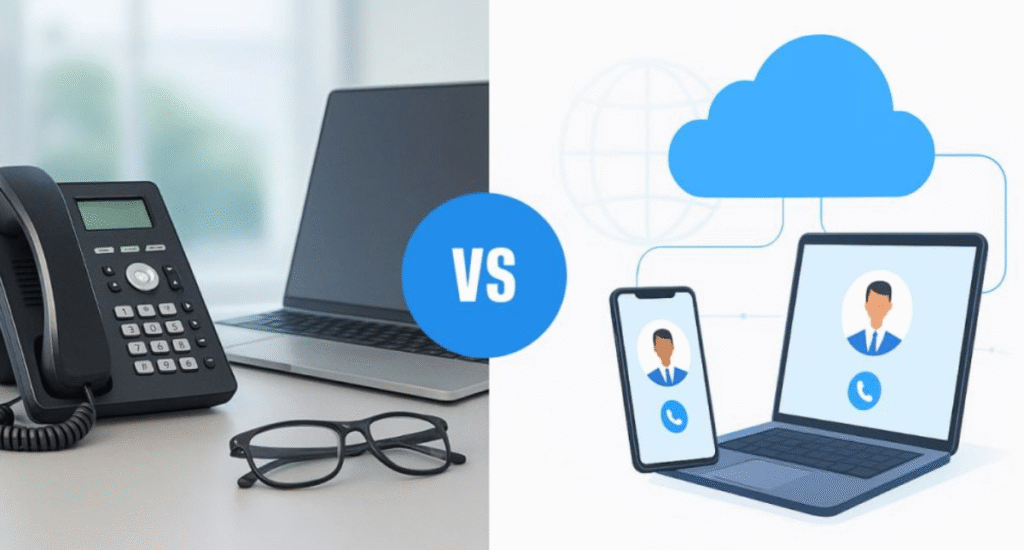
Choosing the right phone system is one of the most important technology decisions for any business. Whether you’re a startup, a growing company, or an established enterprise, how you handle communication affects productivity, customer experience, and costs. Today, Cloud PBX systems are rapidly replacing traditional phone systems — but which is truly better for your business?
In this comprehensive comparison, Westvox breaks down the real differences, benefits, and deciding factors between Cloud PBX and traditional phone systems so you can choose with confidence.
What Is a Traditional Phone System?
Traditional phone systems – also called on-premise PBX – use physical hardware installed at your business location. These systems rely on dedicated phone lines and on-site equipment to manage internal and external calls. While they were once the standard, they come with higher upfront costs and require ongoing maintenance and specialist support.
What Is a Cloud PBX System?
A Cloud PBX (or hosted PBX) is a virtual phone system hosted on remote servers and accessed over the internet. Instead of needing dedicated hardware in your office, your provider manages everything – from call routing to feature updates — in the cloud. This modern approach leverages VoIP (Voice over Internet Protocol) technology to deliver flexible, feature-rich communications.
1. Cost: Cloud PBX Wins for Most Businesses
One of the biggest differences between cloud and traditional systems is cost structure.
Traditional Systems:
Significant upfront investment in hardware and wiring
Ongoing maintenance and technician fees
Space required for on-site equipment
Cloud PBX:
Predictable monthly subscription fees
No expensive hardware to buy
Maintenance and updates included in the plan
Cloud PBX can reduce total cost of ownership and save small to mid-sized businesses up to 60% compared to traditional systems — especially in the first years of deployment.
Takeaway:
👉 If you prefer low initial costs and predictable budgeting, Cloud PBX is usually more cost-effective.
2. Scalability and Flexibility
Traditional phone systems are rigid — adding new users or lines often means purchasing extra hardware, rewiring offices, and incurring installation costs.
By contrast, Cloud PBX is built for scalability:
Add or remove users quickly via an online dashboard
Support seasonal staffing changes without new equipment
Create virtual lines in multiple locations without physical infrastructure
This makes cloud systems ideal for growing teams or businesses with remote or hybrid workforces.
Takeaway:
👉 Cloud PBX grows with your business without delays or breakdowns.
3. Features and Advanced Capabilities
Another major advantage of Cloud PBX is the range of built-in features included without extra hardware:
✔ Auto attendants and call routing
✔ Voicemail-to-email transcription
✔ Mobile and desktop apps
✔ Call analytics and reporting
✔ Video conferencing options
Traditional systems generally offer basic calling features unless you purchase additional modules, which adds costs and complexity.
Takeaway:
👉 If you want modern business communications features without expensive add-ons, Cloud PBX is the smart choice.
4. Reliability and Connectivity
Traditional PBX systems are known for stable call quality because they use dedicated lines and local infrastructure. However, they are vulnerable to local outages — a power failure or hardware issue can mean downtime until onsite repairs are completed.
Cloud PBX systems, on the other hand:
Store data in secure, redundant data centers
Automatically reroute calls in case of outages
Support global access via internet-connected devices
The main factor in cloud reliability is internet quality — a strong connection ensures smooth voice quality and uptime.
Takeaway:
👉 Traditional systems may offer steady on-site stability, but cloud systems provide broader redundancy and business continuity.
5. Remote Work and Mobility
In today’s hybrid work environment, ability to work from anywhere is essential. Cloud PBX shines in this area:
📱 Employees can make and receive calls on desktops, laptops, and mobile devices
🌍 Teams stay connected across offices, locations, and time zones
☁ Remote work is seamless without complex VPN or hardware setups
Traditional PBX systems tie you to office hardware unless you invest in additional technology, making remote work more challenging.
Takeaway:
👉 Cloud PBX enables seamless remote and hybrid collaboration.
Which System Is Best for You?
Here’s a quick guide:
Choose Cloud PBX if:
✔ You want lower upfront costs
✔ Your team works remotely or across locations
✔ You value advanced communication features
✔ You want scalability and ease of setup
Choose Traditional Phone Systems if:
✔ Your internet connection is unreliable
✔ You require full internal control of hardware
✔ You have a stable team and predictable needs
For most modern businesses, Cloud PBX is the better choice due to its flexibility, cost savings, and future-ready features.
Conclusion
In the battle of Cloud PBX vs Traditional Phone Systems, cloud-hosted solutions stand out for their affordability, scalability, mobility, and feature richness. While traditional systems still have their place, especially in environments with limited internet or specific control requirements, Cloud PBX aligns with today’s dynamic business communication needs.